“I Was Told to Come Back and Share This”:
Social Media-Based Near-Death Experience Disclosures as Expressions of Spiritual Beliefs
Yifan Zhao¹, Yuxin Fang², Yihuan Chen¹, Ray LC¹*
¹ City University of Hong Kong, Hong Kong, China
² Gannan University of Science and Technology, Ganzhou, China



Keywords
Near-death experience
Self-disclosure
After life
Spiritual expression
Religious narratives
TikTok
Abstract
People who have experienced near-death events often turn to personal expression as a way of processing trauma and articulating beliefs. While prior work has examined how individuals share near-death experiences, limited research has explored how these narratives are collaboratively communicated on contemporary social media platforms. In this study, we analyze 200 randomly sampled TikTok videos tagged with #nde and related hashtags. Our content analysis reveals that individuals frequently use NDE narratives to articulate personal meaning, with spiritual and religious themes appearing in the majority of posts and serving as a way to explore and make sense of personal beliefs. Consistent with this, analysis of the comment sections shows that videos containing spiritual themes tend to attract higher engagement and foster deeper discussions around faith and meaning. These findings provide insights into how online platforms facilitate community-level engagement with spirituality and suggest implications for the design of spaces that support shared expression and connection in specialized communities.
Video Narrative Analysis
Video Corpus
200 NDE Videos
Randomly sampled from 1,017 TikTok
Transcription
Segmented into ~5-second narrative units
Collaborative Coding
3 Researchers
Independently coded all videos
Reliability Check
Cohen’s κ = 0.83
Substantial agreement across coders
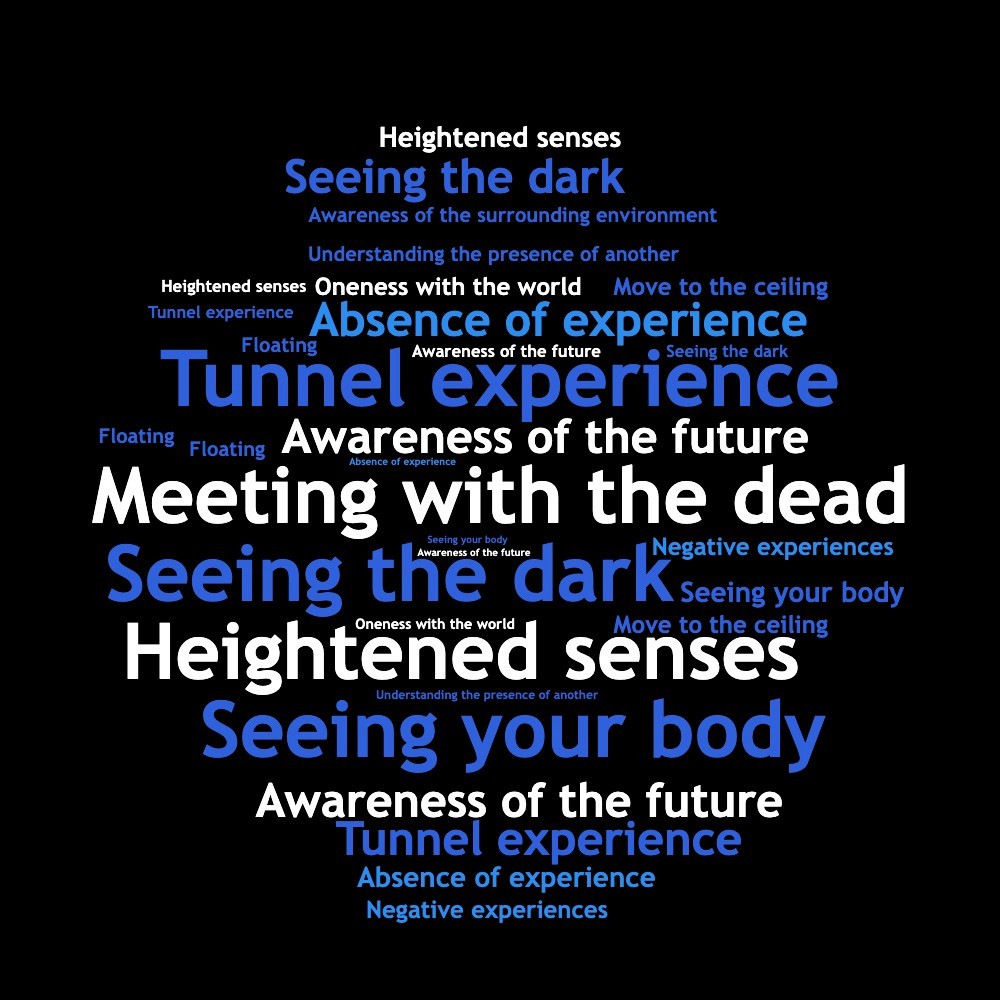
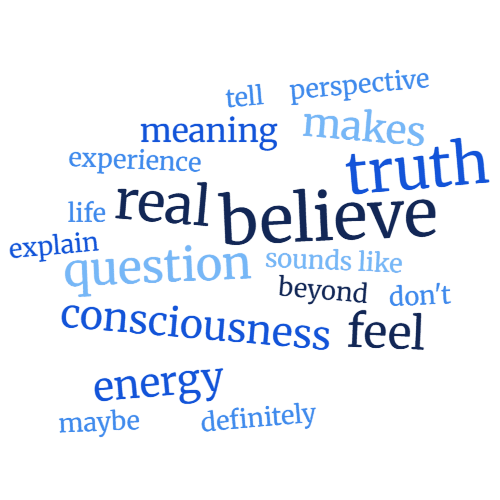
This word cloud visualizes the key experiential elements identified through our coding of NDE-related videos. The size of each term corresponds to its frequency in the dataset, highlighting the most commonly reported aspects of near-death experiences.
Disclosure Types
Disclosure Types
Findings
Our analysis identified two overarching categories of accounts. Physiological Crisis Experiences (n = 57) described situations of physical danger without cognitive, spiritual, or supernatural elements, focusing on moments of acute threat to survival such as drowning incidents or near-accidents. In contrast, Classical NDEs (n = 143) included experiential components that extended beyond the physical domain, such as out-of-body sensations, heightened perception, life reviews, and encounters with realms beyond ordinary experience. Within these Classical NDEs, spiritual and religious narratives (S-NDEs) formed a distinct and dominant subset, appearing in 113 cases. This represents 79% of all Classical NDEs and accounts for a substantial proportion of NDE narratives in our dataset.
Functional Themes of NDE Narratives
Disclosure Types
NDE disclosures are not only experiential accounts, but also social and emotional actions shaped by different communicative intentions.
Disclosure Types
Findings
Regarding the distribution of narrative motivations across different types, the most common motivations are identity clarification, self-expression, and information sharing, with information sharing being the most frequent, while resource gain appears only rarely. Entertainment is primarily concentrated in PCE videos and is largely absent in NDEs. Although self-expression appears in both categories, it is more prominent in PCEs, often conveyed in a lighthearted or humorous manner. In contrast, NDE videos are more strongly associated with identity clarification and information sharing, and also include a notable proportion of emotional support. Notably, many identity clarification cases are found in S-NDEs, while S-NDEs do not appear in the entertainment category.
Disclosure Types
Forms of NDE Disclosure
Disclosure Types
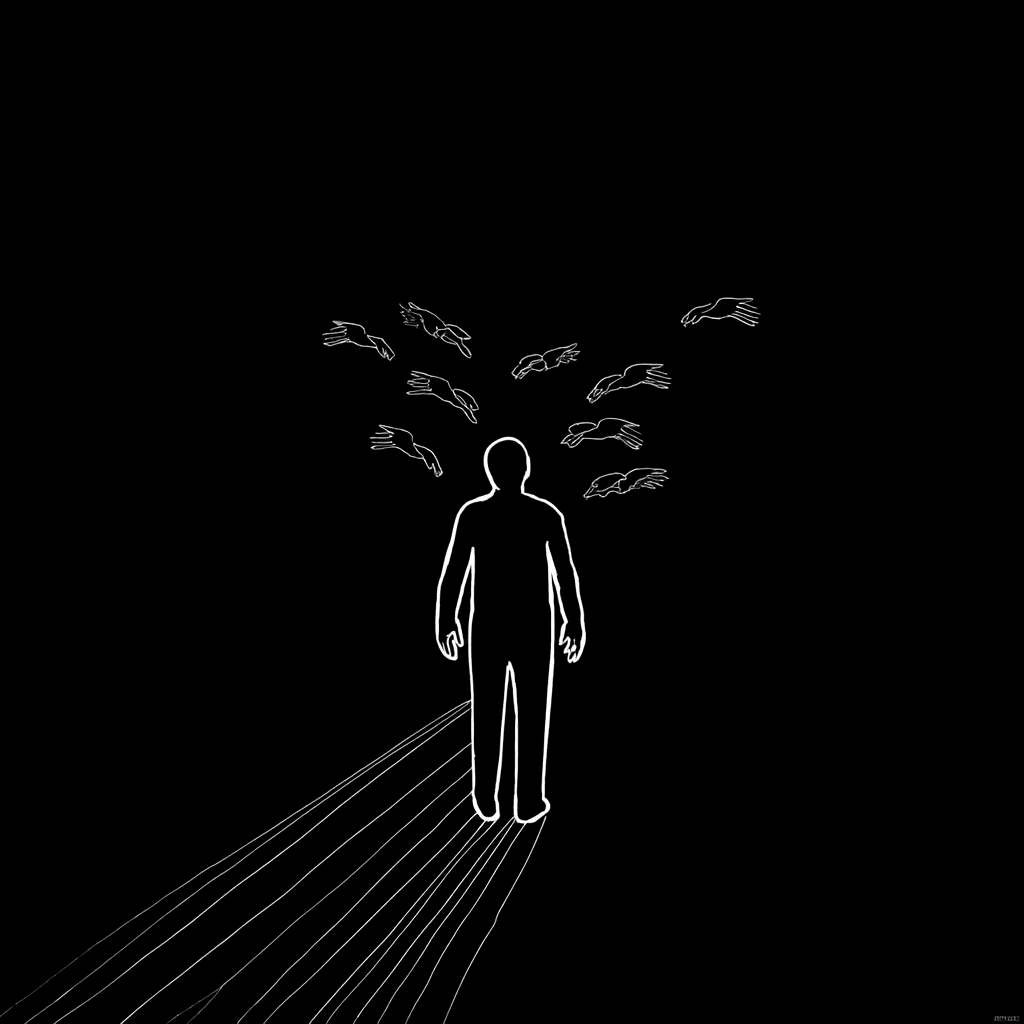
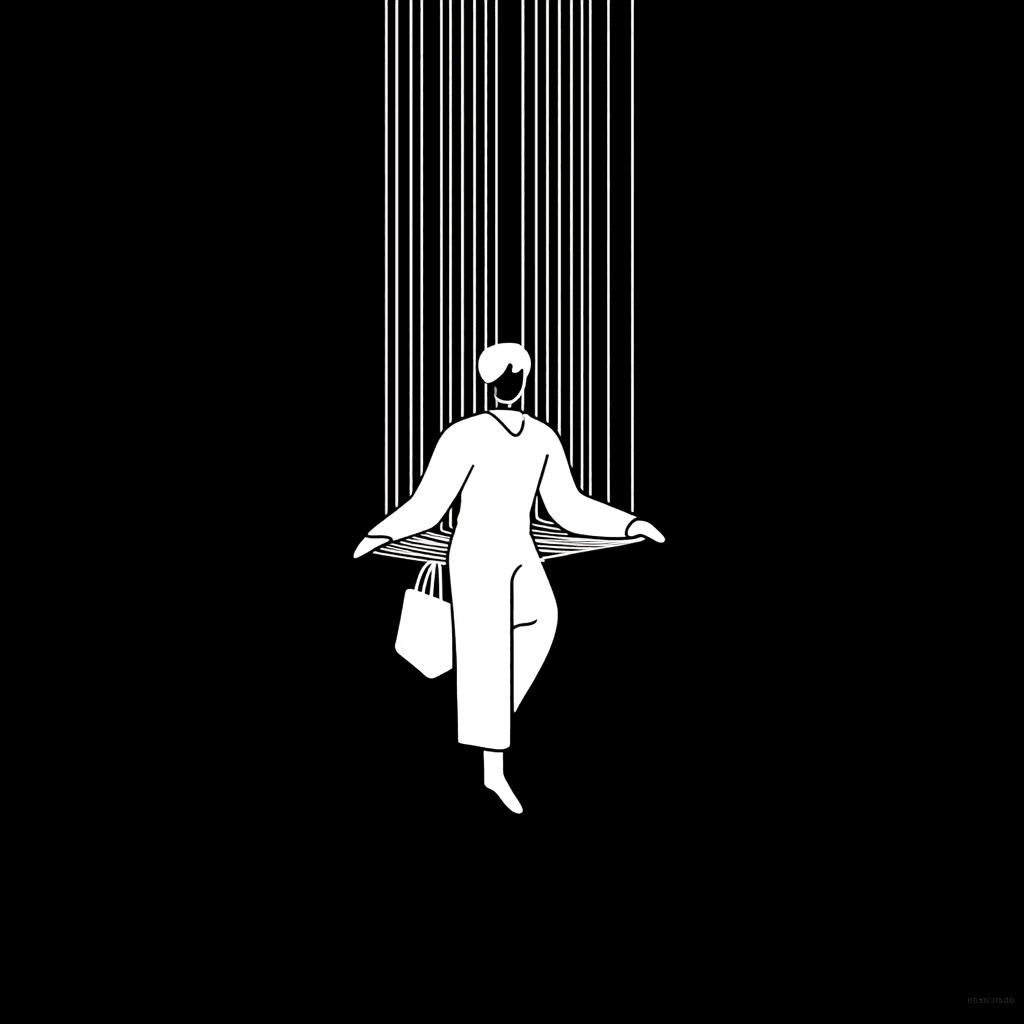
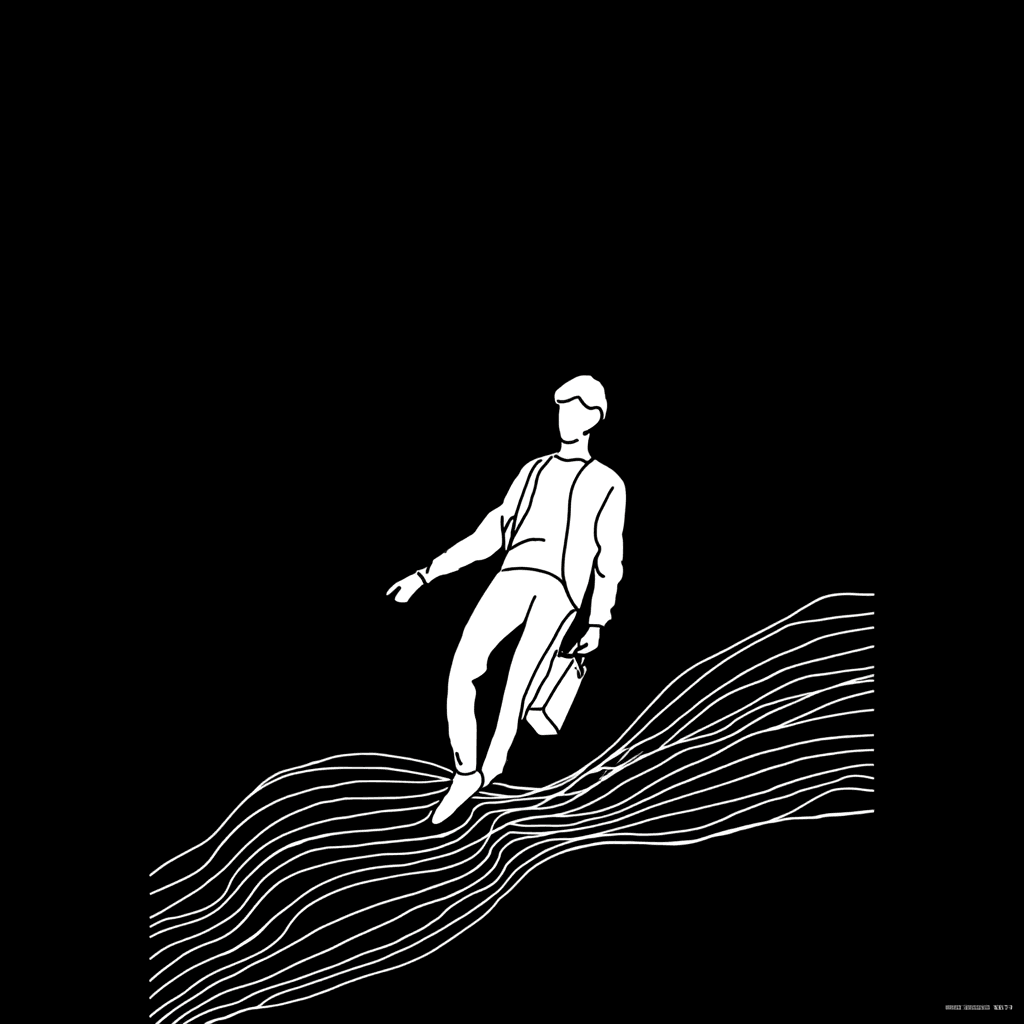
In addition to identifying overarching narrative motivations such as self-expression and identity clarification, we observed three distinct forms of NDE disclosure on TikTok. These were identified through the videos’ visual presentation, as well as their titles and descriptions: initial self-disclosure, comment-driven interaction, and ongoing serial updates.
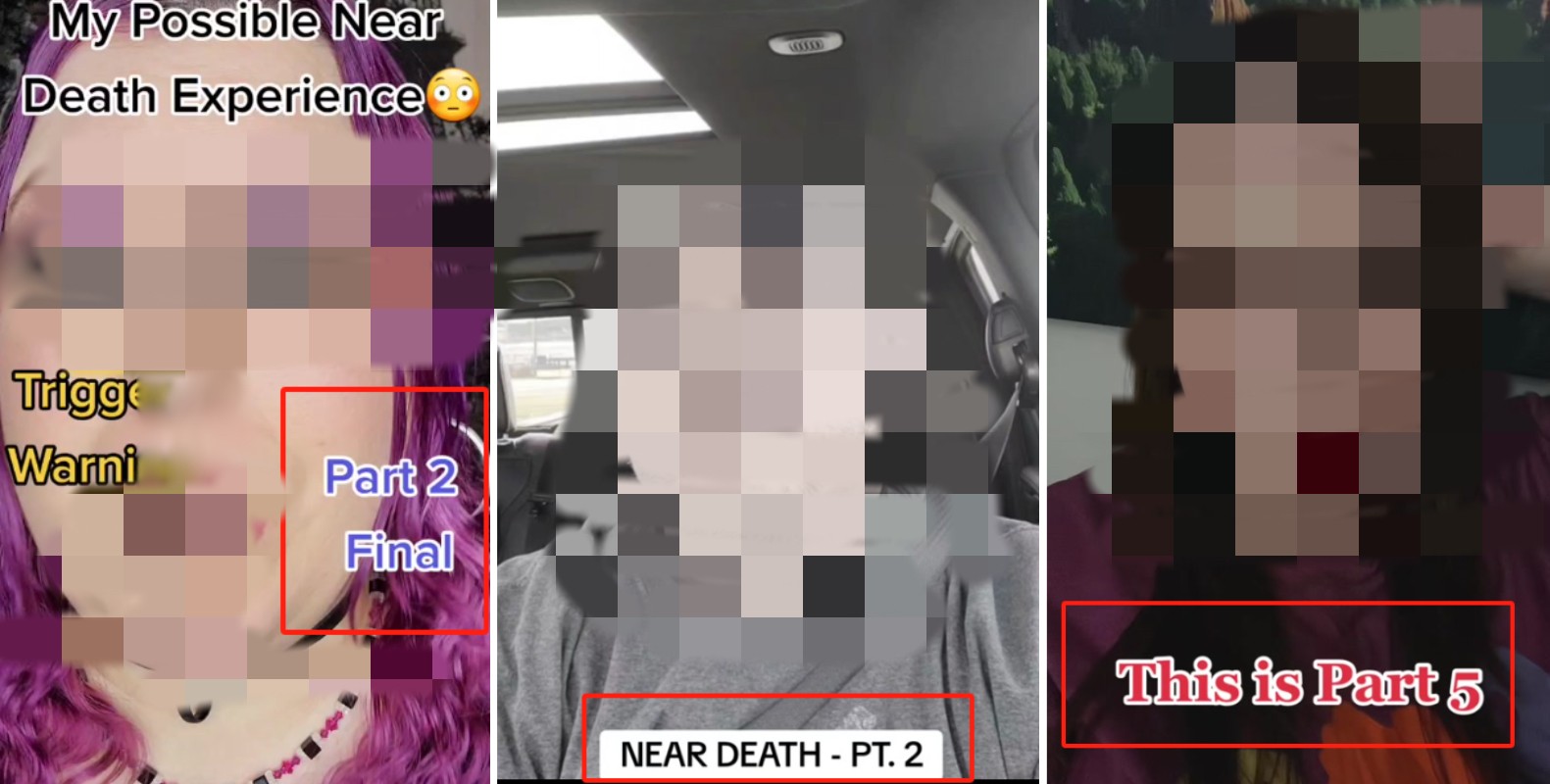
Ongoing serial updates describe follow-up posts in which creators continue or elaborate on previously shared NDE narratives. These videos are often labeled as “Part 2” or “Follow-up” and introduce additional details, reflections, or clarifications.
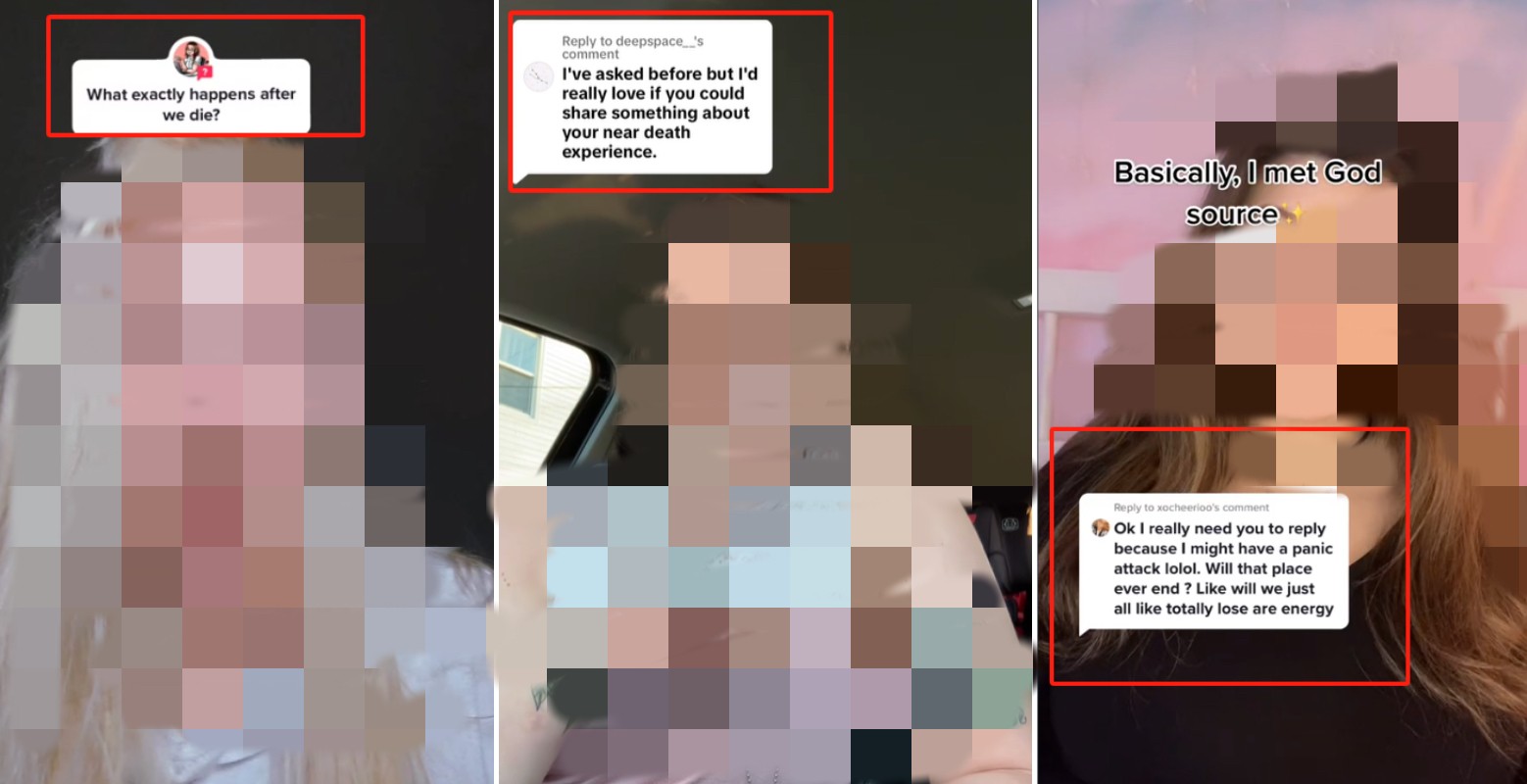
Comment-driven disclosure occurs when creators share or expand their NDE narratives in response to audience prompts. These videos are often framed as replies (e.g., “answering a question”) and may include visible comments.
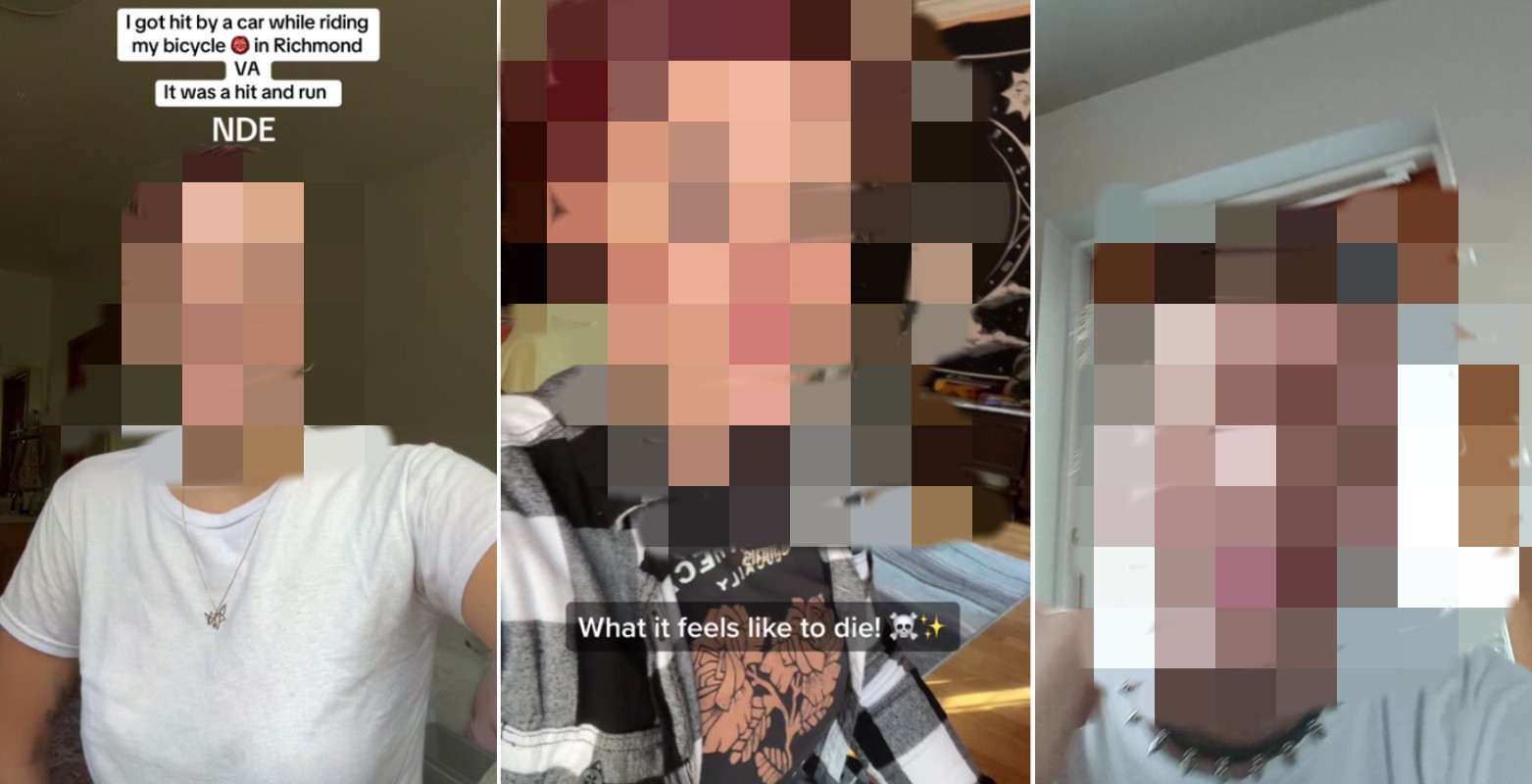
Initial Self-Disclosure
Initial self-disclosure refers to creators’ first-time public sharing of a near-death experience. These videos typically begin directly with the event itself, without referencing prior posts or external context.
Findings
NDE storytelling on TikTok is not only driven by individual but also shaped by platform dynamics. The algorithm rewards niche, repeated content and high engagement, encouraging creators to continue posting follow-up videos after their initial disclosure. Features such as the For You Page and comment-based interaction further reinforce this pattern, as creators respond to audience prompts and optimize visibility. Over time, NDE narratives shift from one-time personal sharing to ongoing, platform-sustained content production.
Comment Analysis
Sampling Strategy
Up to 10% per video (max = 20 comments)
<3 comments → include all
Final dataset: 1,943 comments
Chronological sampling (“Newest” view)
Coding Approach
Iterative refinement → 8 themes
Inductive open coding
Inter-rater reliability: κ = 0.79
Multi-label + primary theme
3. Reliability Check
Double-coded 10–15% of the data
Inter-rater reliability: Cohen’s κ = 0.79
Disagreements resolved through discussion
Comment Types
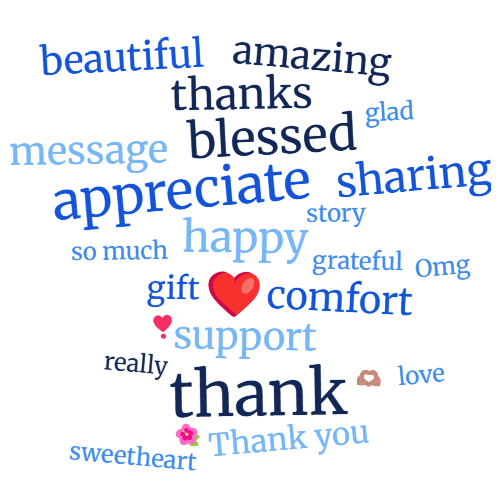
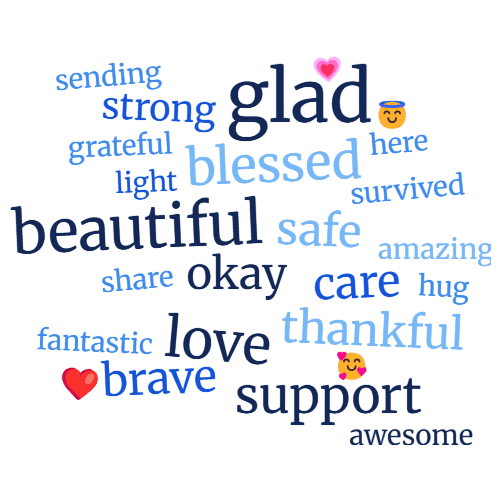
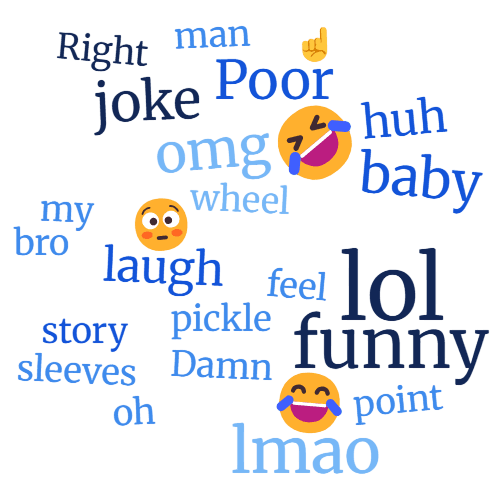
We identified eight major types of audience responses
Disclosure Types
Findings
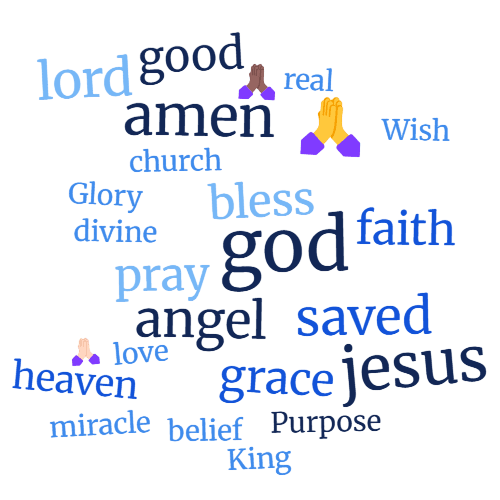
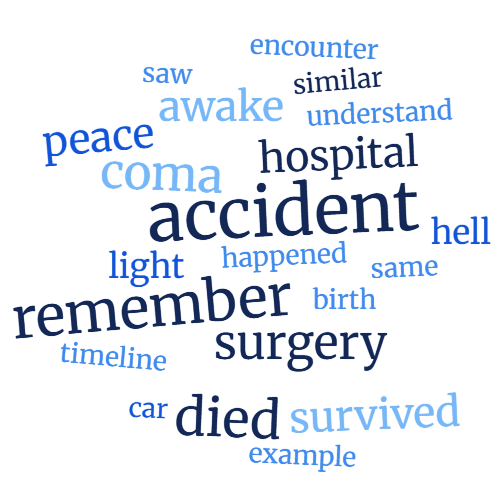
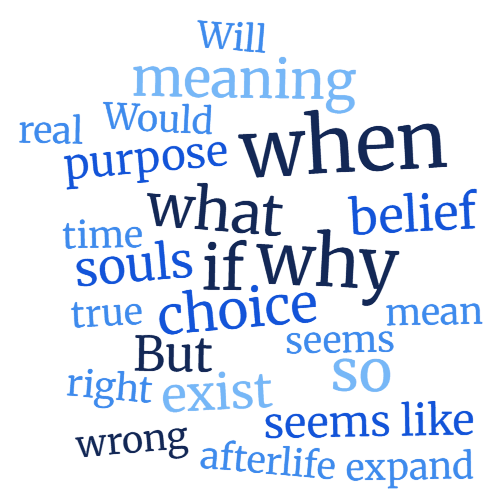
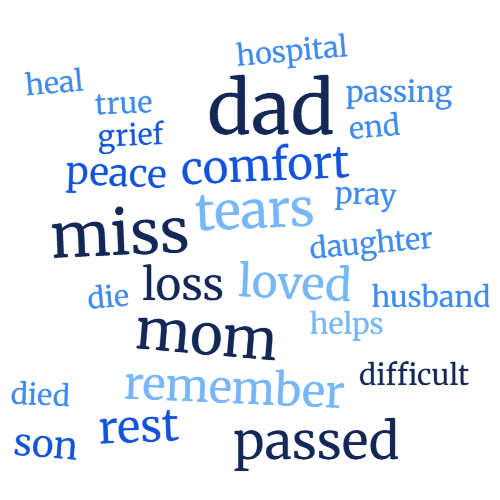
We observed three primary comment cultures within NDE content: supportive empathy, content discussion, and experiential sharing. Among these, the most common pattern is viewers sharing their own experiences in response to creators’ narratives, forming a reciprocal model of disclosure. Through this process of sharing vulnerabilities, commenters build a sense of belonging, reinforce identity, and regulate emotional distress. Comment sections also function as spaces of emotional and esteem support, where users offer encouragement and comfort through platform affordances such as commenting and lightweight feedback. Beyond support, NDE comment spaces also foster practices of mourning and remembrance. Bereaved viewers use these spaces to express grief, reflect on death, and seek comfort and meaning. In this way, comment sections function not only as sites of interaction but also as spaces for digital mourning and emotional processing.
Disclosure Types
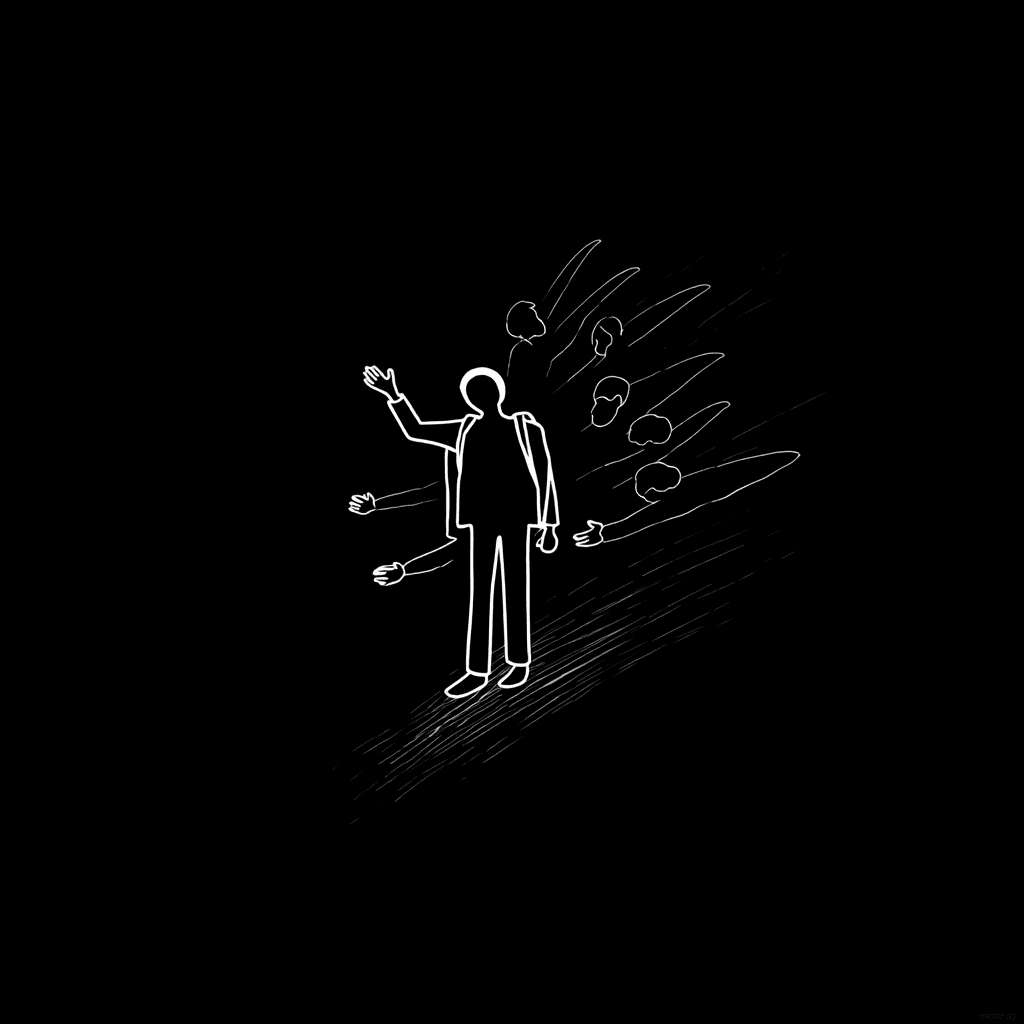
Religious Interpretation
Disclosure Types
Emotional Self Expression
Religious elements are conveyed through strong emotional expression. Creators describe encounters with divine figures using affective language and visible emotional reactions, emphasizing feelings over explanation.
Identity Affirmation
Religious experiences are used to reconstruct personal identity. Creators describe feeling “seen” or being given a mission, linking their sense of self to spiritual purpose and transformation.
Dissemination of Spiritual Beliefs
Religious elements are presented as knowledge to share. Creators adopt an explanatory tone, communicating insights about the afterlife, the soul, or broader spiritual truths, often in response to audience questions.
Findings
Religious NDE narratives on TikTok show that spiritual experiences are not only shared but actively negotiated through interaction. While such content often elicits questions and doubt, these responses function less as rejection and more as processes of interpretation and meaning-making.
Most NDE self-disclosures draw on religious concepts (e.g., soul, mission), with 79% referencing faith-related content. Many experiencers frame their NDEs as sacred or mission-driven, using affective storytelling to convey otherwise ineffable experiences and reconstruct identity. Audience interactions further reinforce shared beliefs, often forming echo chambers.
Compared with non-religious content, spiritual NDE narratives more frequently trigger discussion and cognitive conflict. Viewers respond with both faith-based interpretations and scientific skepticism, reflecting diverse cultural frameworks. Notably, doubt and questioning are common but typically serve as attempts to resolve uncertainty and engage with the narrative, rather than dismiss it.
Future Direction
Religious NDE narratives reveal that spiritual experiences are not only expressed, but continuously interpreted, questioned, and reconstructed through interaction, pointing to new design opportunities for supporting meaning-making around life, death, and belief.
Disclosure Types